Look around you for a moment. The skyline out the window, the hospital where someone you love was once cared for and the school where a child learns to read. Chances are, concrete has made it all possible. It’s the quiet backbone of the modern world and the second most used material on Earth, behind only water. The truth is that we will keep pouring it because people will always need somewhere to live, work, heal and grow up.
This everyday miracle carries a hidden cost though. Making the cement that holds concrete together means baking rock in furnaces hot enough to send a constant breath of carbon into the sky. It’s one of the heaviest climate burdens on our planet and for as long as anyone can remember, we have shrugged it off as simply the price of building a life.
Not anymore because all over the world, people have stopped accepting that bargain. Some are catching the carbon dioxide right as it leaves the smokestack and locking it permanently into concrete, where it turns to stone and never escapes again. Others are quietly reworking the mix, so a building leans on far less furnace-fired cement to begin with. Some are throwing out the old recipe altogether and building strong and lasting things without ever lighting the furnace at all. Let’s step into the journey of one of those players, EcoPath.
From industrial waste to sustainable infrastructure:
Founded in 2024 by Abhishek Chhazed and Sourabh Kumar, EcoPath Innovations wants to build a future where cities, roads, housing and other infrastructure are not liabilities to the planet instead they act as long term carbon sinks and regenerative systems.
The founders observed that while construction is the backbone of modern civilization, it is one of the largest contributors to global carbon emissions and yet it continues to rely on the same old materials and practices without significant innovation. This realization became the foundation for EcoPath where they are building an integrated ecosystem around sustainable infrastructure.
Eco-concrete is a cement-free construction material that utilizes industrial byproducts such as steel slag and fly ash to build a concrete alternative. Unlike conventional systems that depend heavily on clinker-based cement, eco-concrete aims to significantly reduce carbon emissions while also reducing water consumption and diverting waste from landfills. Instead of limiting the offering to materials, they decided to expand it to modular systems and road infrastructure solutions because they aim to embed sustainability into mainstream construction practices and not just a niche. They partner with developers working on infrastructure projects to deploy the solution.
“One of the most exciting shifts happening globally is that serious private capital is now entering climate infrastructure and industrial decarbonization. Investors are beginning to realize that the next generation of climate companies will not just be software platforms but deep-tech businesses rebuilding the physical world. We see ourselves as a part of that transition.” – says Mr. Abhishek Chhazed (Co-Founder, EcoPath Innovations Private Limited)
The road ahead:
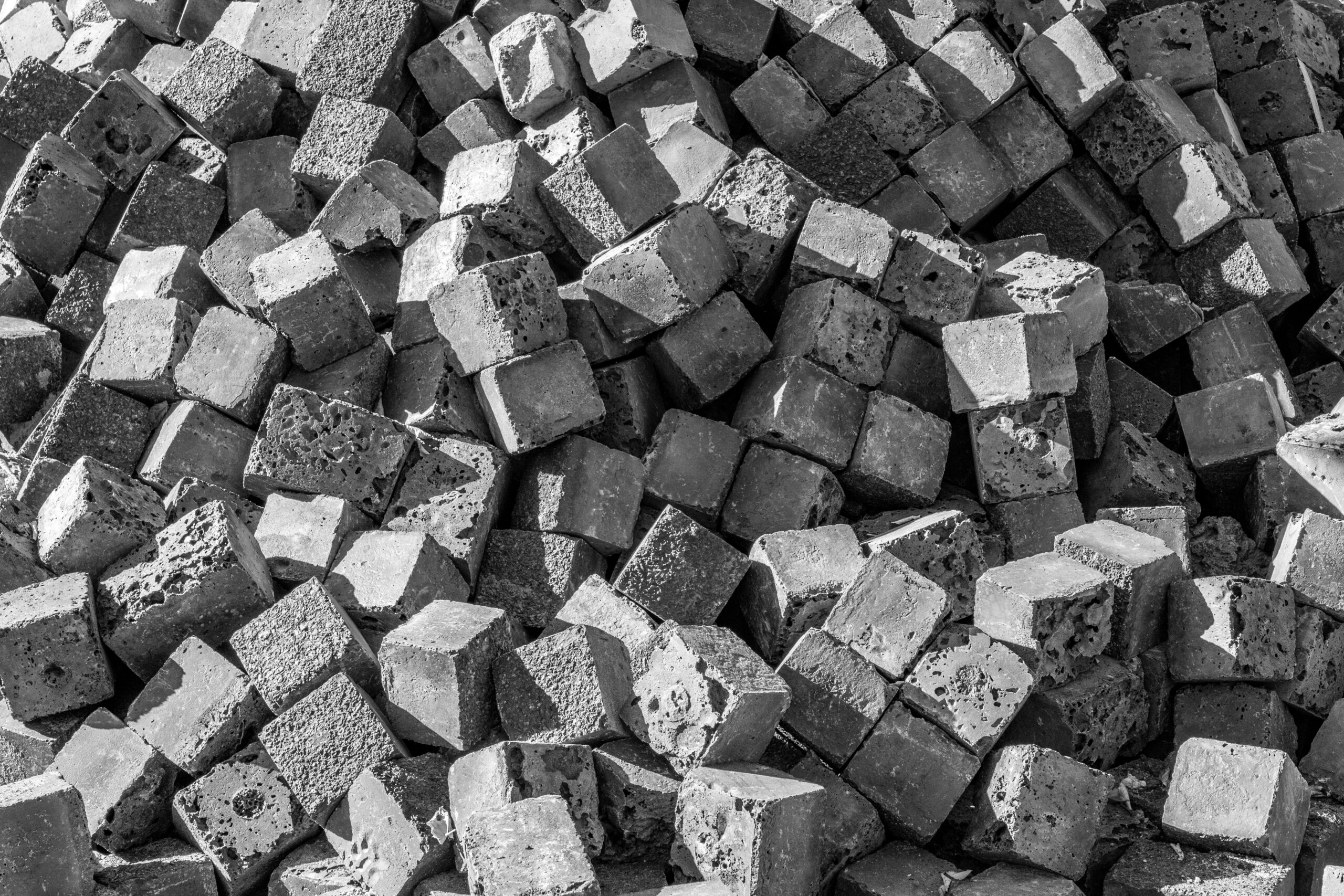
These kinds of innovations are not building a future of sacrifice. They don’t ask the world to build less or grow slower or do without the homes and schools that a rising population needs. It asks something far smaller and far stranger, that we stop throwing away what we already have. The ash is already made. The slag is already piled high. The buildings of tomorrow doesn’t have to be carved out of the earth at great cost. Some of it is already here, sitting in the grey heaps at the edge of town, waiting for someone to stop calling it waste and start calling it the beginning of something.
It is exciting to see that scientists, engineers and researchers are finding ways to put carbon back to where it belongs. We can also contribute by being responsible with our usage of resources.
Disclaimer: The goal of this platform is to improve discoverability within the ecosystem. Inclusion in the platform does not imply endorsement, certification, verification or approval by the Company. Nothing here constitutes an advice or recommendation of any kind. Learn more